
Overview of PDF Use in Acting Industry
Actors today compile PDFs to showcase scripts, audition reels, and biographies. The 08/07/2026 timestamp reflects current workflow, where digital portfolios replace paper headshots. PDFs ensure consistent formatting, easy sharing via email, and compatibility across devices for casting directors. Ready for cast?
Common PDF Formats for Actors
Actors typically use the standard PDF format (.pdf) for portability and universal compatibility. For archival purposes, many opt for PDF/A, preserving fonts, images, and metadata to ensure long‑term readability without external dependencies. When images or embedded media are needed, PDF/X is preferred, guaranteeing color fidelity and print‑ready output. Some professionals choose PDF/UA, the universal accessibility variant, to meet ADA compliance and provide screen‑reader support for visually impaired casting teams. PDF/UA‑A combines the benefits of PDF/A and PDF/UA, offering both archival stability and accessibility. Each format serves a specific need: standard PDFs for quick sharing, PDF/A for archival, PDF/X for production, PDF/UA for accessibility, and PDF/UA‑A for a hybrid solution. Actors should assess their distribution channels—email, online casting portals, or print‑ready submissions—to select the appropriate format. Properly choosing the format not only streamlines the submission process but also demonstrates professionalism and attention to detail, qualities highly valued in the competitive acting industry.
When preparing a PDF, actors must also consider file size, as large attachments can delay email delivery. Compressing images to 150‑200 dpi and embedding fonts rather than linking them reduces file size while preserving appearance. Using a PDF creator that supports incremental updates allows actors to add new material without regenerating the entire document. Finally, including a clear table of contents and bookmarks improves navigation for casting directors who may skim through multiple documents quickly. A watermark can protect the work deter unauthorized use.!!!
Content Collection for the PDF
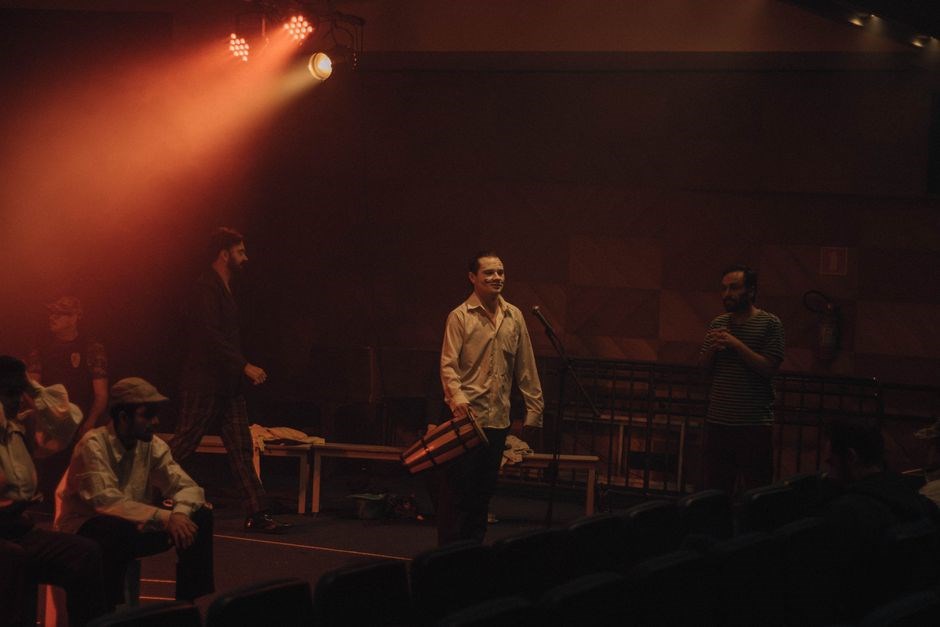
Actors compile scripts, audition reels, headshots, and bio data. They source recent roles, awards, and training certificates. Digital files are organized by project, with clear labeling for easy navigation. This curated content showcases versatility and professionalism to casting teams All materials are PDFready

Gathering Scripts, Audition Materials, and Biography
Actors assemble a digital dossier that showcases their craft. The first step is collecting scripts from recent performances, ensuring each file is labeled with the production title, role, and date of performance. Audition reels are compiled from high‑resolution video clips, each trimmed to highlight key scenes and delivered in MP4 format for compatibility. Headshots, both professional and casual, are scanned at 300 dpi and saved as JPEGs to maintain clarity; Biographical details—educational background, training, awards, and notable credits—are written in concise, third‑person prose, formatted with clear headings for quick reference. Actors often include a brief statement of artistic goals, aligning their portfolio with the types of roles they pursue. All materials are organized into a single PDF, with a clickable table of contents that links to each section. This structure allows casting directors to navigate swiftly, reviewing scripts, watching reels, and reading biographies without opening multiple files. By maintaining consistent file naming conventions and using a standard page size (8.5×11 inches), the PDF remains professional and printer‑ready. The final document is compressed to reduce file size while preserving quality, ensuring it can be emailed or uploaded to casting platforms without delay. This meticulous preparation demonstrates an actor’s commitment to their career and respect for the casting process. Future updates will keep the portfolio current, ensuring relevance across evolving casting trends. Version‑controlled!

Structuring the PDF Document
Organize sections logically: start with a cover page, then a table of contents, followed by headshots, a bio, scripts, and audition reels. Use consistent fonts, margins, and page numbers. Hyperlinks in the TOC enable quick jumps, ensuring a professional user friendly layout.
Logical Flow and Sectioning
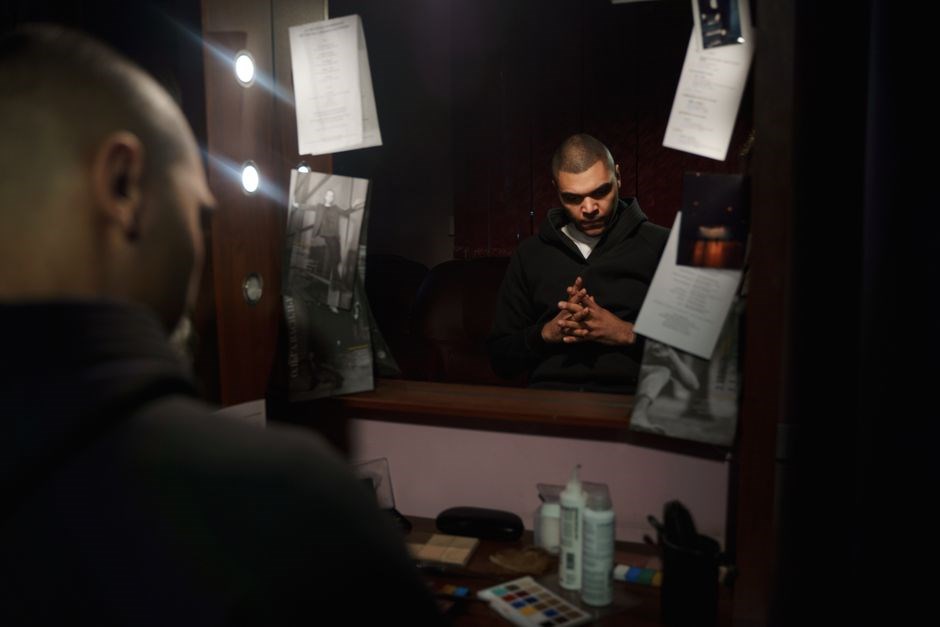
When an actor assembles a PDF portfolio, the logical flow mirrors a professional résumé. Begin with a clean cover page that displays the name, a high‑resolution headshot, and contact details. Next, insert a concise table of contents with clickable links to each section, enabling instant navigation for casting directors. Follow with a brief biography that outlines training, experience, and notable credits, formatted in a single column for readability.
After the bio, present a gallery of headshots in a grid layout, each labeled with date and location. Then, include a section for scripts: embed short excerpts or full scripts in PDF form, citing permissions. Following scripts, add audition reels—embed video links or provide QR codes that open the clips on platforms like Vimeo or YouTube. Conclude with a contact page that lists email, phone, and social media handles, and optionally a QR code linking to an online portfolio.
Use consistent typography—sans‑serif fonts for headings, serif for body text, and a uniform color scheme. Maintain 0.75‑inch margins and keep page numbers in the footer. This structure ensures clarity, professionalism, and ease of use, making the actor’s PDF a compelling tool for auditions and networking.
For accessibility, add alt text to images and use proper heading hierarchy (h1, h2, h3). Keep the file size below 5 MB by compressing images and trimming unused fonts. Finally, test the PDF on multiple devices to confirm that links, videos, and layout render correctly before distribution!!!…

Design and Layout Principles
Use a clean grid, neutral palette, and consistent typography. Place a bold headline, a crisp headshot, and a concise bio. Keep margins wide, align text left, and embed links to reels. Ensure the PDF is lightweight, under 5 MB, and prints clearly. Use vector logos and responsive layout for a look and brand and art
Visual Consistency and Branding
Actors rely on a unified visual language to convey professionalism. Begin by selecting a primary color that reflects the actor’s persona—soft neutrals for dramatic roles or bold hues for action. Pair this with a complementary secondary shade for accents. Use a single, legible typeface for headings (e.g., Garamond or Helvetica) and a contrasting sans‑serif for body text to maintain hierarchy. Keep font sizes consistent: 18‑20 pt for titles, 12 pt for body, 10 pt for captions. All images should be high‑resolution (300 dpi) and cropped to a clean square or portrait frame; avoid background clutter. Place a subtle watermark of the actor’s initials on each page to deter unauthorized use while preserving readability. Consistent margins (1.25 in on all sides) and a 12‑point line spacing ensure the document feels spacious and not cramped. Include a small logo or monogram in the header or footer, sized no larger than 0.5 in, to reinforce brand identity. Use PDF/A‑1b compliance to guarantee long‑term preservation and avoid font substitution. Finally, test the PDF on multiple devices—desktop, tablet, and smartphone to confirm that layout, images, and hyperlinks remain intact across platforms; By integrating a subtle color gradient that mirrors the actor’s signature hue into the background of each page, and by embedding QR codes that link directly to online reel or social media profile, the PDF becomes a dynamic, interactive tool that keeps casting directors engaged and encourages them to explore the actor’s full range of work beyond the static document.
Actors often use Adobe Acrobat Pro for editing, Canva for design and PDFescape for free tweaks. For batch conversion, use PDF Converter Elite. Cloud storage via Dropbox ensures easy sharing. Remember to embed fonts and set PDF/A for archival compliance and Nitro PDF for secure signing. PDF. PDF!! Ready!! All set

Recommended PDF Creation Applications
Actors seeking a polished digital portfolio often turn to a mix of professional and free tools. Adobe Acrobat Pro DC remains the industry standard for editing, adding interactive form fields, and applying PDF/A compliance for long‑term archiving. The built‑in “Combine Files” feature lets performers merge headshots, résumé, and audition reels into a single, searchable document. For those who prefer a more visual approach, Canva offers drag‑and‑drop templates specifically designed for résumé layouts, with the ability to export directly as a high‑resolution PDF. Canva’s brand‑kit feature ensures consistent color palettes and logo placement across all pages, which is essential for actors building a personal brand. If budget constraints are a concern, PDFescape provides a robust free web‑based editor that supports text insertion, image embedding and basic form creation. The application also offers a paid version with advanced features such as OCR and batch processing. For actors who need to convert scanned documents or images into editable PDF, ABBYY FineReader is a powerful OCR tool that preserves formatting and allows for quick text editing. Finally, for mobile users on the go, the iOS and Android app Adobe Scan captures high‑quality scans, auto‑cropping, and instant PDF export, making it easy to add new material to a portfolio from auditions or networking events. By combining these tools, actors can produce a professional, consistent, and easily shareable PDF that showcases their talent and credentials to casting directors worldwide. Keep PDF lightweight; test on multiple devices quickly !

Legal and Copyright Considerations
Actors must obtain written permissions for scripts, images, and footage before including them in PDFs. Copyright law requires consent or licensing; otherwise, the PDF may infringe rights. Cite sources and attach release forms to safeguard both actor and distributor. Protects IP and ensures compliance for parties!
Permissions for Scripts and Images
When an actor assembles a PDF portfolio, securing permissions for scripts and images is paramount. First, identify every copyrighted element: full script excerpts, stills from performances, promotional photographs, and any third‑party graphics. For each item, determine the owner—often the playwright, production company, or photographer—and request a written release. A standard release form should specify the scope (e.g., “use in digital PDF for casting purposes”), duration (usually a fixed term such as 12 months), and any geographic limits. If the actor is using a script that is still under copyright, a short‑term license or a “fair use” claim is insufficient for public distribution; a formal agreement is required; Photographers typically require a model release in addition to a property release. The actor should keep copies of all signed documents in a secure folder, both digitally and physically, to provide proof if a dispute arises. Additionally, the actor should verify that any public domain or Creative Commons‑licensed material is used in compliance with the license terms—some require attribution, others forbid commercial use. Finally, it is wise to consult an entertainment attorney to review the releases and ensure that the PDF does not inadvertently expose the actor to liability for copyright infringement. Proper documentation protects the actor’s reputation and the integrity of the portfolio. Actors often include a note in the PDF footer acknowledging the source of each image or script excerpt, which not only satisfies legal requirements but also demonstrates professionalism to casting teams. Maintaining an organized digital repository of all permissions ensures access during future portfolio updates or new audition submissions. All rights reserved!

Distribution and Archiving Strategies
Actors send PDFs via secure email,cloud links,or casting portals,ensuring links expire after 30 days.Archiving uses encrypted drives and cloud backups with version control. Regularly update PDFs, log distribution dates, and maintain a master index for quick retrieval.
Online Platforms and Email Campaigns

Actors today rely on a mix of dedicated casting sites, social media, and email marketing to circulate their PDF portfolios. Platforms such as Casting Networks, Backstage, and Actors Access allow upload of a single PDF that auto‑formats into a searchable profile. The PDF is embedded in the profile, so casting directors can view it directly without downloading. Social media channels—especially LinkedIn, Instagram, and TikTok—are leveraged to share short clips or teaser images that link back to the full PDF hosted on a cloud service like Dropbox or Google Drive. Email campaigns remain a staple: actors send personalized emails to casting directors and agents, attaching the PDF or providing a secure link that expires after 30 days to protect the content. Using email marketing tools such as Mailchimp or Campaign Monitor, actors can track opens, clicks, and downloads, allowing them to refine the messaging. For high‑profile projects, actors may host a private landing page with a password‑protected PDF, ensuring only invited recipients can access the material. Consistent branding—logo, color scheme, and a professional headshot—across all platforms reinforces recognition. Regular updates to the PDF, coupled with a version‑control system, ensure that the most recent work is always shared. By combining these online distribution methods with targeted email outreach, actors maximize visibility while maintaining control over their intellectual property. Actors may embed a QR code linking to their digital portfolio, enabling instant access for casting teams