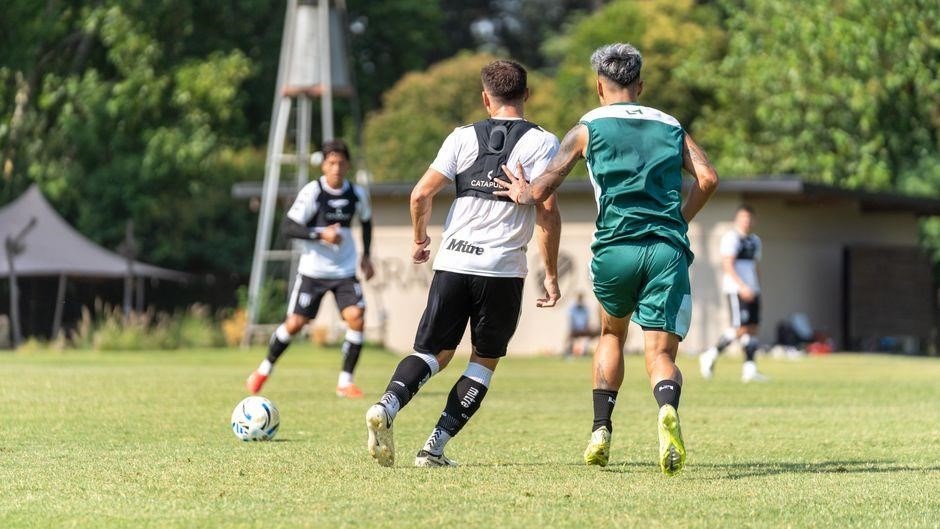
Program Overview
Our Soccer Gym Workout Plan PDF delivers a year‑long‚ phase‑based strategy‚ blending resistance‚ power‚ speed/agility‚ and core work. It guides athletes through early and late pre‑season buildup‚ in‑season maintenance‚ and off‑season conditioning‚ ensuring balanced strength and performance gains. Now!!!!.
Purpose and Scope of Soccer Gym Workout Plan PDF
Designed for coaches‚ trainers‚ and players‚ the Soccer Gym Workout Plan PDF serves as a comprehensive blueprint that aligns strength‚ conditioning‚ and technical development across a full competitive season. The document outlines a year‑long‚ four‑phase framework—early pre‑season‚ late pre‑season‚ in‑season‚ and off‑season—each with distinct training priorities. It emphasizes progressive overload‚ periodized volume‚ and sport‑specific movement patterns to enhance power‚ speed‚ agility‚ and core stability while mitigating injury risk. The plan incorporates resistance exercises‚ plyometrics‚ functional drills‚ and recovery protocols‚ all calibrated to the unique demands of soccer. Coaches can customize intensity‚ frequency‚ and exercise selection based on team level‚ player age‚ and available resources. The PDF also provides monitoring tools‚ progression charts‚ and sample weekly schedules‚ enabling transparent tracking of performance metrics and facilitating data‑driven adjustments throughout the season. By integrating evidence‑based training principles‚ the plan empowers athletes to achieve peak performance‚ sustain endurance‚ and develop the muscular resilience required for high‑level competition. The ultimate goal is to create a cohesive‚ adaptable program that supports continuous improvement from the first warm‑up to the final whistle. Additionally‚ the PDF includes a detailed progression matrix‚ allowing coaches to adjust load and volume based on individual recovery rates‚ ensuring each athlete peaks at the right moment without overtraining and safety.!

12-Month Training Phases
The 12‑month plan divides training into four distinct phases: early pre‑season builds foundational strength‚ late pre‑season ramps intensity‚ in‑season maintains performance‚ and off‑season focuses on recovery and conditioning. Each phase follows a periodized schedule tailored to soccer demands peak training.
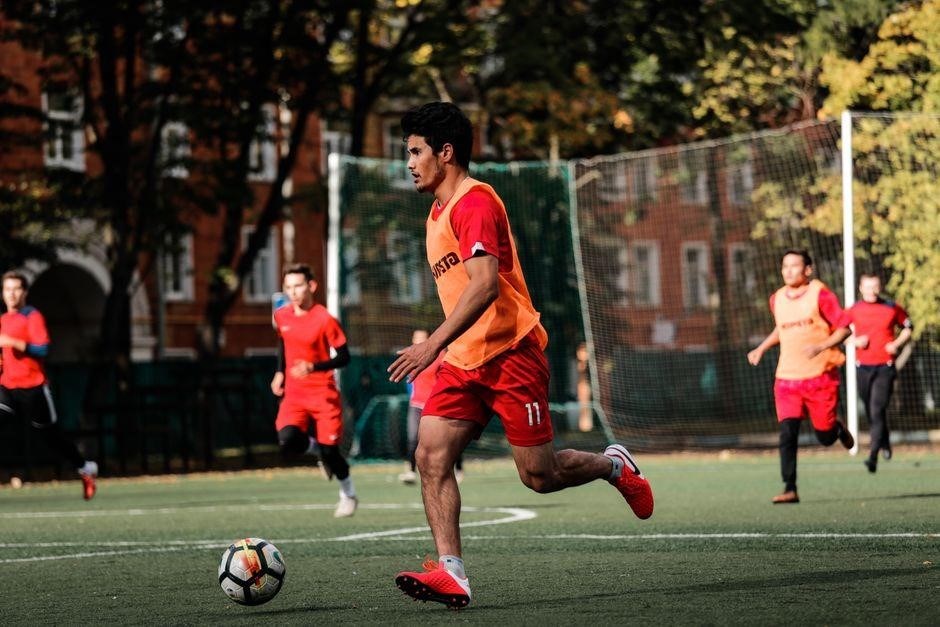
Early Pre-Season‚ Late Pre-Season‚ In-Season‚ Off-Season
Early pre‑season focuses on building a solid strength base‚ emphasizing compound lifts‚ moderate volume‚ and mobility work. Athletes perform 3–4 sessions per week‚ targeting 3–4 sets of 8–12 reps at 60–70% 1RM‚ while integrating plyometric drills to spark neuromuscular adaptations. Core stability and unilateral exercises are added to correct imbalances.
Late pre‑season transitions to higher intensity and sport‑specific conditioning. Load increases to 70–80% 1RM‚ sets drop to 3–4‚ and reps shift to 4–6. Speed‑agility circuits‚ resisted sprints‚ and small‑group tactical drills replace some volume work‚ ensuring athletes maintain power output while sharpening on‑field responsiveness.
In‑season maintenance prioritizes recovery and performance preservation. Workouts reduce to 2–3 sessions weekly‚ focusing on 3–4 sets of 3–5 reps at 80–85% 1RM‚ coupled with high‑intensity interval training (HIIT) and mobility sessions. The goal is to sustain strength without compromising match fitness or increasing injury risk.
Off‑season recovery and conditioning emphasize endurance‚ mobility‚ and injury prevention. Low‑volume‚ high‑repetition strength work (15–20 reps) at 50–60% 1RM is combined with long‑duration cardio‚ flexibility routines‚ and targeted rehabilitation. This phase rebuilds aerobic capacity and prepares the athlete for the next cycle.
Throughout‚ periodization tools such as RPE‚ load monitoring‚ and volume charts guide progression‚ ensuring athletes peak at the right moments. Coaches adjust frequency and exercise selection based on response and injury status.
It also reduces risk daily!!

Mooredale SC Soccer Specific Fitness Program
Mooredale SC’s Soccer Specific Fitness Program combines resistance‚ power drills‚ speed/agility‚ core work‚ and WBI principles for elite performance. Structured in four phases‚ it emphasizes progressive overload‚ sport‑specific conditioning‚ and injury prevention. for peak performance.and injury resilience!
Key Components and Structure
Mooredale SC’s Soccer Specific Fitness Program PDF is a meticulously crafted‚ year‑long blueprint that fuses resistance training‚ power drills‚ speed/agility work‚ core conditioning‚ and Whole Body Integration (WBI) principles. The program is segmented into four distinct phases—early pre‑season‚ late pre‑season‚ in‑season‚ and off‑season—each with its own focus and training volume. In the early pre‑season‚ athletes build foundational strength and muscular endurance through compound lifts‚ functional movements‚ and low‑intensity plyometrics. The late pre‑season ramps up intensity‚ incorporating high‑velocity resistance work‚ sport‑specific agility ladders‚ and core stability circuits to sharpen neuromuscular coordination. During the in‑season‚ the emphasis shifts to maintenance and injury prevention; training sessions are shorter‚ with a higher frequency of speed‚ agility‚ and explosive power drills‚ while strength work is kept at a moderate load to preserve recovery. The off‑season cycle prioritizes hypertrophy and power development‚ featuring four 4‑week micro‑cycles that alternate between endurance‚ power‚ and strength blocks. Each micro‑cycle is carefully periodized to avoid overtraining‚ and the program includes detailed progression tables‚ load‑management guidelines‚ and recovery protocols. The PDF also offers downloadable workout logs‚ video demonstrations‚ and a tracking system that allows athletes and coaches to monitor performance metrics‚ adjust loads‚ and ensure that every session aligns with the overarching goal of maximizing on‑field performance while minimizing injury risk; This comprehensive‚ data‑driven approach equips players with the tools to excel at every level of competition.
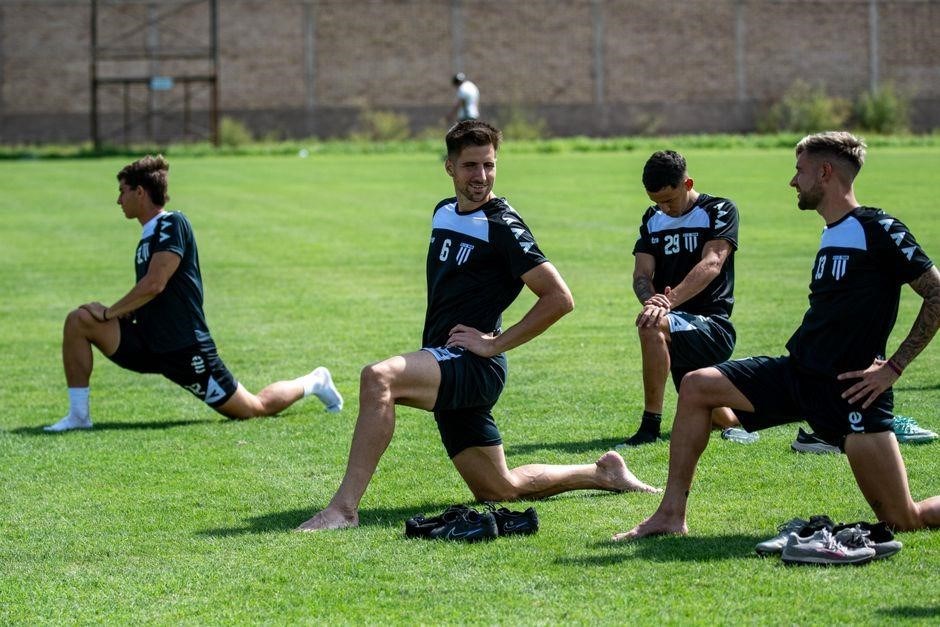
Off-Season Weight Lifting Cycle
During the off‑season‚ the weight‑lifting cycle is split into four 4‑week micro‑cycles: endurance‚ power‚ endurance‚ power/strength. Each block focuses on overload‚ hypertrophy‚ and explosive strength‚ with load increments capped at 5–10% per week to avoid injury.
Endurance and Power Cycles Breakdown
In the off‑season‚ the program is organized into four 4‑week micro‑cycles‚ each with a distinct focus and progressive overload strategy. The first cycle builds muscular endurance with high‑rep‚ low‑load compound lifts (3–4 sets of 12–15 reps) to establish a metabolic base. The second cycle shifts to power development‚ using low‑rep‚ high‑load movements (3–4 sets of 4–6 reps) combined with plyometric adjuncts to enhance explosive force. The third cycle re‑emphasizes endurance through circuit‑style conditioning and tempo work to improve lactate threshold. The final cycle blends power and strength‚ integrating heavy compound lifts (3–4 sets of 3–5 reps) with accessory power drills to consolidate gains. Load progression is capped at 5–10% per week‚ with a deload week every fourth week to allow recovery. This systematic alternation ensures athletes develop both aerobic capacity and neuromuscular power‚ essential for peak soccer performance.
- Endurance Cycle: Squats‚ Deadlifts‚ Lunges‚ Row‚ Push‑ups – 12–15 reps.
- Power Cycle: Olympic lifts‚ Power cleans‚ Plyo push‑ups‚ Medicine ball throws – 4–6 reps.
- Endurance Cycle (Circuit): Kettlebell swings‚ Battle ropes‚ Box jumps‚ Rower – 3 rounds.
- Power/Strength Cycle: Squats‚ Bench‚ Deadlift‚ Power snatch – 3–5 reps.
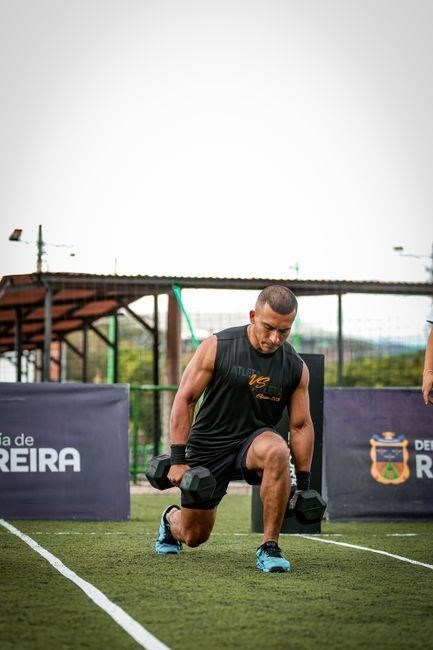
In-Season Strength Training Focus
During the competitive season‚ the plan prioritizes maintenance over hypertrophy. Sessions are 2–3 times weekly‚ featuring low‑volume‚ high‑intensity lifts (3 sets of 3–5 reps) and sport‑specific power drills. The focus is on preserving strength‚ preventing fatigue‚ and reducing injury risk. Keep trainin!
High School Athlete Implementation
High‑school players need a balanced‚ age‑appropriate approach that fits school schedules and recovery demands; The PDF recommends 2–3 gym sessions per week‚ each lasting 45–60 minutes‚ with a focus on compound lifts (squats‚ deadlifts‚ presses) performed at 60–75% 1RM for 3–4 sets of 5–8 reps. Light cardio and mobility work bookend each session to preserve aerobic capacity.
Periodization follows a 12‑week cycle: weeks 1–4 emphasize hypertrophy and technique‚ weeks 5–8 shift to strength and power‚ and weeks 9–12 focus on maintenance and injury prevention. Coaches should monitor load via session RPE and adjust volume to avoid overtraining. Core stability drills (planks‚ side planks‚ Pallof press) are integrated 3 times a week‚ ensuring a solid foundation for dynamic movements.
Nutrition guidance is included: protein intake of 1.2–1.5 g/kg body weight‚ balanced carbs for glycogen‚ and hydration protocols before‚ during‚ and after games. Parents and trainers receive a progress tracking sheet that logs weights‚ reps‚ and subjective fatigue‚ allowing data‑driven tweaks. Safety protocols—proper warm‑up‚ technique checks‚ and gradual progression—are emphasized to reduce injury risk.
Finally‚ the PDF offers a downloadable template for weekly logs‚ a video library demonstrating correct form‚ and a FAQ section addressing common high‑school concerns. This comprehensive package ensures that young athletes can safely build strength while maintaining academic and athletic commitments.
Monitoring recovery metrics helps fine‑tune training intensity and prevent overuse injuries throughout the season and maintain peak performance every week
Core and Whole Body Integration
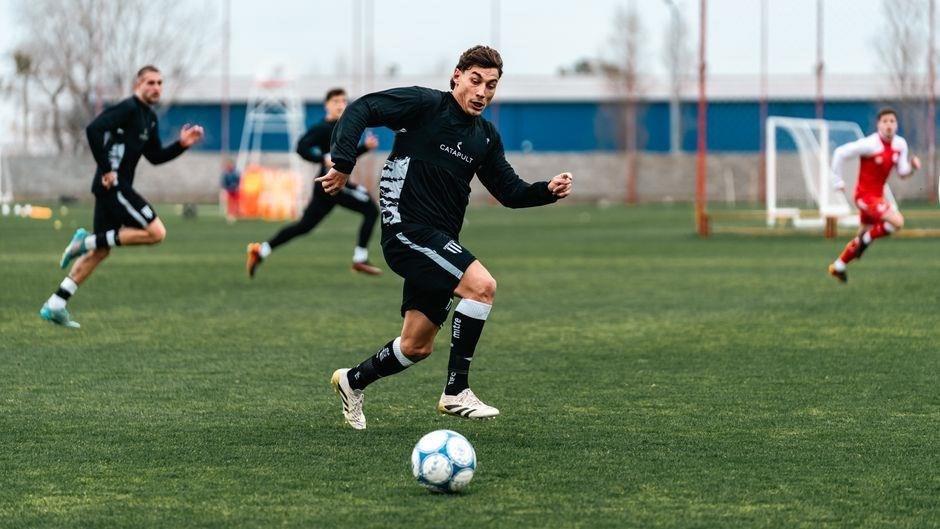
WBI blends core stability with full‑body strength‚ using compound lifts‚ plyometrics‚ and functional drills. The PDF recommends a 3‑day split: day 1 squat‑drill‚ day 2 push‑pull core‚ day 3 plyo‑balance‚ ensuring 70% volume targets core‑centric moves for soccer.!
WBI Strength Training Principles
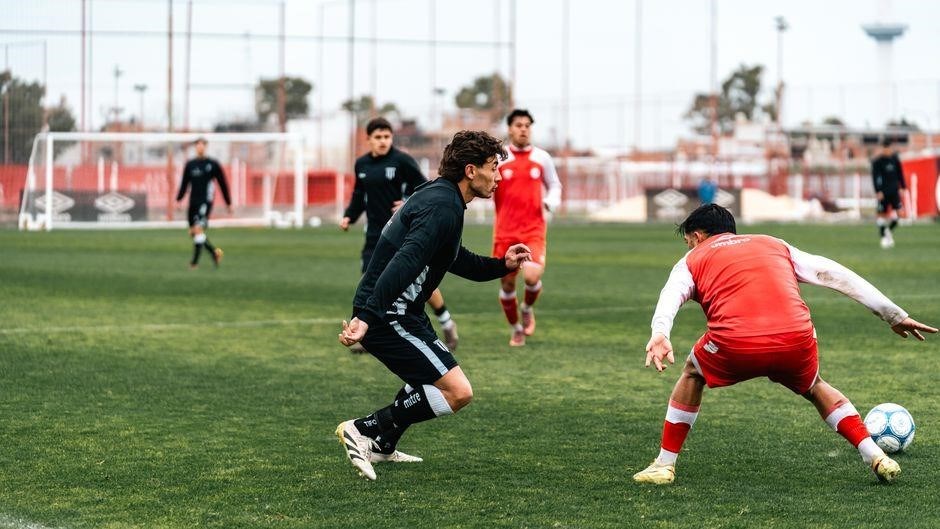
WBI (Whole‑Body Integration) is a systematic approach that fuses core conditioning with compound resistance movements to enhance neuromuscular coordination‚ joint stability‚ and power output—critical attributes for soccer athletes. The core philosophy revolves around three pillars: 1) compound lifts that recruit multiple muscle groups simultaneously‚ 2) plyometric and ballistic drills that translate strength into explosive speed‚ and 3) functional core work that anchors the kinetic chain during dynamic actions. Each training block follows a 3‑day split: Day 1 focuses on lower‑body compound lifts (squats‚ deadlifts‚ lunges) paired with unilateral core stabilization exercises; Day 2 emphasizes upper‑body push‑pull patterns (bench press‚ rows‚ overhead press) combined with rotational core work; Day 3 is dedicated to plyometric drills (box jumps‚ bounding‚ medicine‑ball throws) and balance‑centric core circuits. Volume is calibrated so that 70 % of total sets target core‑centric movements‚ ensuring that the core remains the foundation for all subsequent power development. Progression is achieved through linear periodization‚ with incremental load increases‚ rep scheme variations‚ and the introduction of advanced techniques such as tempo training‚ pause reps‚ and unilateral overloads. Each week alternates between hypertrophic‚ strength‚ and power focuses‚ while monitoring RPE‚ HRV‚ and subjective fatigue to fine‑tune load and ensure progressive overload without compromising recovery or risking overtraining. All adjustments are data‑driven.

Speed‚ Agility‚ and Power Drills
Integrate resisted sprints‚ ladder drills‚ and plyometric hops to the PDF plan. Use sled pulls‚ cone zig‑zags‚ and medicine‑ball throws to boost acceleration‚ change‑of‑direction speed‚ and explosive strength. Track times and load to refine progression.—train hard!
Resistance Training Integration
Resistance training is woven into every speed‚ agility‚ and power session in the PDF. Each drill starts with a warm‑up that incorporates light band pulls and body‑weight movements‚ then transitions to loaded variations—sled pushes‚ weighted sled pulls‚ or resistance‑band sprint shuttles. By adding a 5‑10% load to sprint distances‚ athletes develop greater force production while maintaining acceleration mechanics. Plyometric hops are performed with a weighted vest or light dumbbells to increase vertical power‚ and medicine‑ball throws are paired with a resistance band to simulate the explosive deceleration required during a tackle. The program schedules resistance‑enhanced drills on alternate days to allow for recovery‚ ensuring that the neuromuscular system adapts without over‑stress. Progression is tracked by monitoring load increments‚ sprint times‚ and jump height‚ allowing coaches to adjust resistance levels weekly. This systematic integration guarantees that strength gains translate directly into on‑field speed and agility improvements‚ making the PDF a comprehensive tool for soccer athletes seeking performance elevation. Coaches also incorporate resisted lateral shuffles using a weighted belt‚ which forces the hips to stabilize under load‚ improving lateral quickness. Additionally‚ the PDF recommends performing weighted box jumps to enhance explosive lower‑body power‚ followed by a cooldown of dynamic stretches to prevent hamstring tightness. The integration of resistance is calibrated to 60–70% of one‑rep max for strength phases and 20–30% for power phases‚ ensuring optimal hypertrophy and neural recruitment. Each week‚ athletes record perceived exertion and adjust load accordingly‚ fostering a data‑driven approach. This meticulous design aligns with periodization principles‚ allowing athletes to peak at the right moments of the season while minimizing injury risk.
Monitoring‚ Progression‚ and PDF Resources
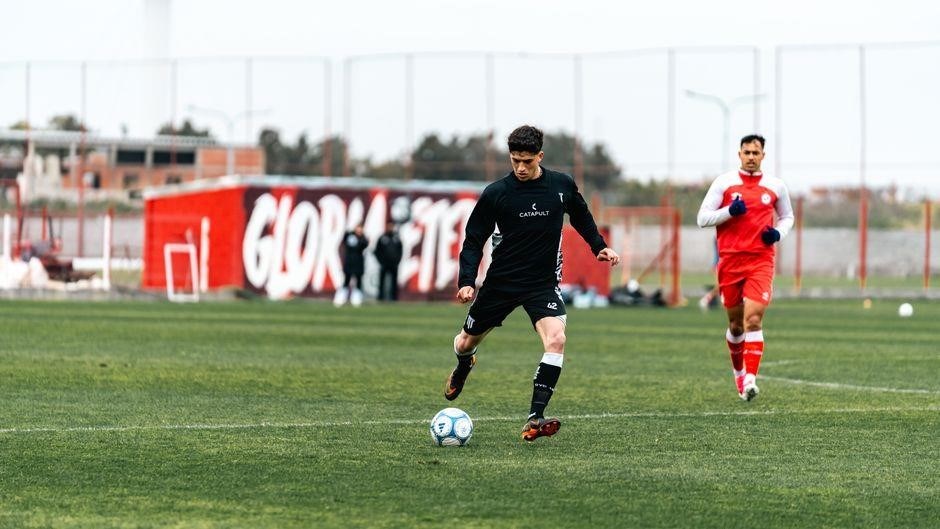
Track progress with weekly logs‚ noting reps‚ sets‚ and RPE. Use the PDF’s charts for load progression‚ and adjust based on performance metrics.Coaches can download templates‚ injury trackers‚ and video guides to refine technique and maintain conditioning. Use built‑in sheets to log HR fatiguetweak!!!
Tracking and Adjusting the Program
Effective monitoring hinges on systematic data capture and responsive adjustments. Begin each training block with baseline testing: 1RM for major lifts‚ 40‑m sprint time‚ change‑of‑direction score‚ and core endurance hold. Record these metrics in the PDF’s built‑in log sheets‚ noting date‚ time‚ and environmental conditions. Weekly‚ athletes submit self‑reported RPE‚ perceived fatigue‚ and any niggles. Coaches review the cumulative data‚ comparing week‑to‑week changes against target progression curves embedded in the PDF. If a lift’s RPE climbs above 7 while volume remains constant‚ the coach may reduce load by 5 % or insert a deload week. Conversely‚ if sprint times plateau‚ the program may introduce resisted sprints or plyometric drills. Periodic reassessments every 4–6 weeks recalibrate load‚ volume‚ and intensity‚ ensuring the athlete remains on an upward trajectory while mitigating overtraining risk. The PDF includes a “Progression Matrix” that auto‑calculates recommended adjustments based on entered values‚ and a “Recovery Tracker” that flags excessive soreness or sleep deficits‚ prompting rest or active recovery sessions. By integrating objective performance data with subjective feedback‚ the plan adapts fluidly‚ maintaining optimal stimulus throughout the season. All adjustments are documented in the PDF’s “Adjustment Log” to preserve continuity and inform future cycles. This systematic approach guarantees that the workout plan evolves with the athlete’s growth‚ injury status‚ and competitive demands‚ maximizing performance gains while safeguarding health. The PDF’s interactive dashboard syncs with wearable data‚ allowing real‑time load monitoring. Coaches can set thresholds for heart rate and perceived exertion; when exceeded‚ the system flags a need for immediate volume reduction. This tech‑enabled feedback loop ensures athletes stay within safe training zones while pushing toward peak performance and precise analytics.